

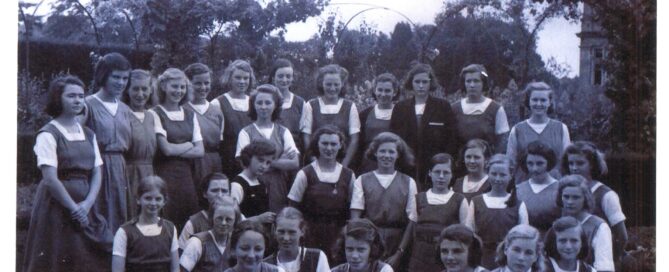
Happy Memories of the Royal School at Longleat
Since 1994 I have organised an annual village reunion in Horningsham, attended by residents past and present. Each year has a theme and an accompanying [...]
Letters Home
Charles Wyndham Barnes was born in Westbury, Wiltshire, England in 1884. His father was Frank Barnes and at the 1911 census was 53. Charles’ mother was Helena Barnes, aged 52. The census records that Charles working as a law clerk to a barrister. He had two siblings, one named Nellie Barnes, 22, and another called Constance, aged 10.
His Father was an engine fitter at a railway station and his sister’s occupation was as a shop assistant.
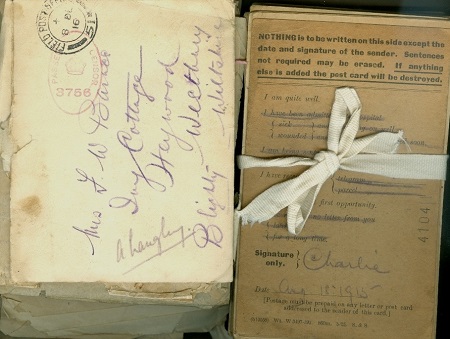
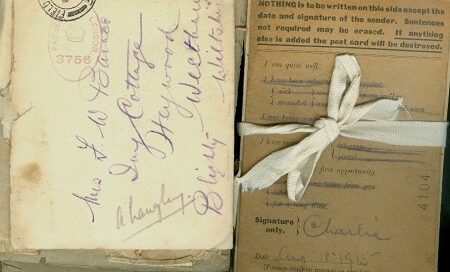
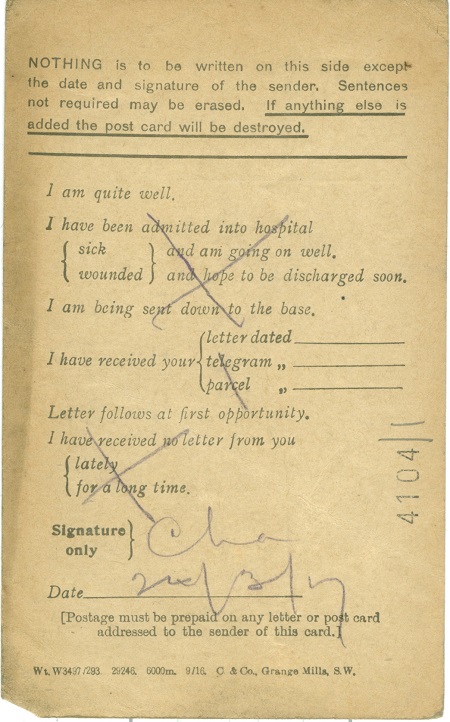
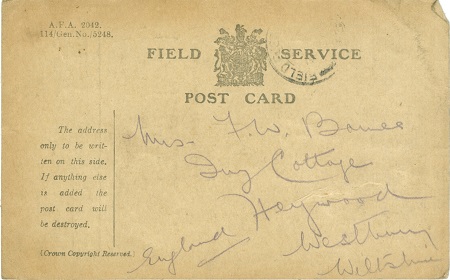
Charles was a dutiful son, and sent over 160 letters home from the front to his mother between 1915 and 1918 which are held here at the Wiltshire & Swindon History Centre (Ref: 4104/1). From his letters Charles appears confident and considerate – he wrote at least once a week.
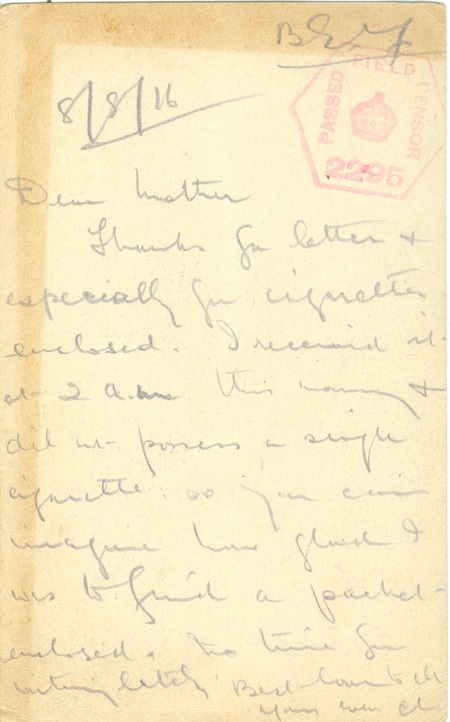
Topics he talked of were his health (he was alright), gardening, fresh fruit such as apples, and partridges. His favourite topic was the weather – snow, floods and the heat of summer. He also mentioned that he would be away from the trenches for some time in May 1917.
Information from the Commonwealth War Graves Commission shows that Charles was married to Violet Blanche – known as “Blanche” who he mentioned in his many letters home.
Blanche Eyers was 24 when she married Charles on 24 December, 1914. The 1911 census shows Blanche living at home and working as a school teacher. She was born in Yarnbrook in 1891.
In the army, Charles joined the Wiltshire Regiment and served with the second battalion. Additionally, he had the rank of a Lance Corporal and his service number was 11257.
A week into the Battle of the Somme – called the Great Offensive by the public and the “big push” by the soldiers – Charles wrote a postcard giving an upbeat assessment of the battle.
Engaging with Archives – WSHC Heritage Education Service
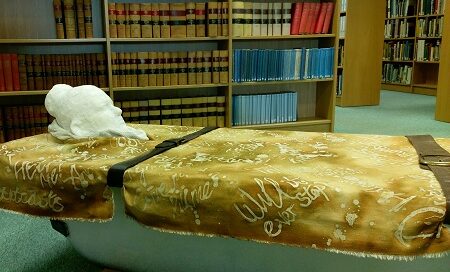
Walk into the search room at the History Centre and you will notice a couple of objects not normally associated with archives – a bodice made out of maps and a bathtub.
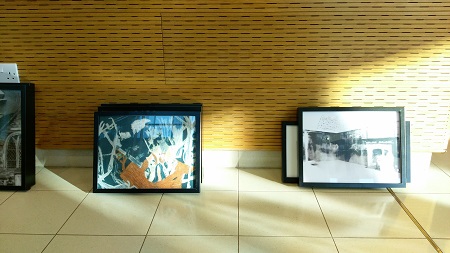
A closer inspection reveals they are two of 17 pieces of artwork produced by students from Wiltshire College’s Chippenham campus who explored the archive and various aspects of the county’s heritage.


The exhibition of 2D and 3D work – on display in the foyer as well as the search room – is already prompting questions from visitors and is encouraging people to engage creatively with our collections.
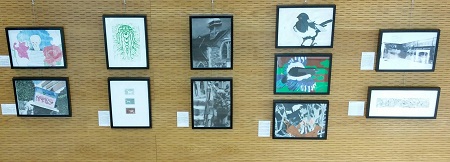
The project came about when art and design course tutor Alyson Minkley popped into the History Centre to see whether her students could use the archive as a stimulus to creating artwork. She wanted the class to explore the concept of archiving and create pieces that reflected aspects of Wiltshire’s heritage.
We were delighted to be involved in the project as it was another way of encouraging young people to engage creatively with archives. People often think that being the heritage education officer means that my work begins and ends with helping deliver the history curriculum in schools. But archives offer so much more.
For this project I delivered a facilitated session at Wiltshire College where the students were introduced to the concept of collecting and archiving with the help of a handling collection. This was followed by a tour of the History Centre and an opportunity to see behind the scenes as well as explore the practicalities of accessing the archives.
The afternoon generated a huge range of questions and it was clear the students went away inspired. We were delighted to see many of them return to the History Centre in their own time to request documents and carry out detailed research. The result of those visits is the thought-provoking artwork on display in the foyer and search room.
The individual pieces of work explore a wide range of topics including family history, Wiltshire’s asylums and how patients with mental health problems were “treated” in the 19th century, the county’s role as a training ground for the army and its iconic chalk figures – all of which are represented in our archives and local studies collections.
About Us
Research Tools
What We Do
Contact us
Wiltshire and Swindon History Centre
Cocklebury Road
Chippenham
SN15 3QN
E: cmas@wiltshire.gov.uk
T: 01249 705500
For all conservation enquiries including quotations and object deliveries, please book an appointment in advance.


