

SEEME educational pages
Sound clips
During the SEEME project dozens of people have been interviewed about their life stories. We have selected short clips of 2 to 3 minutes from these accounts and gathered them into the following themes. Click on the theme to find out more about it and to hear the sound clips.
Childhood memories
This film gives the first impressions of black people on arriving in the UK, the things that struck them as different about the place that they had come to live and work compared to life at home.
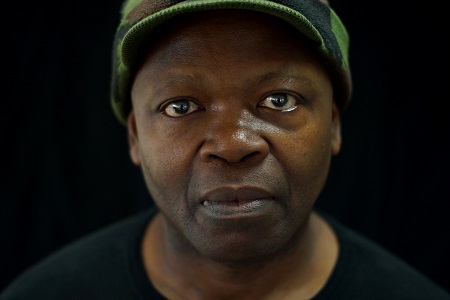
Scotch was born in Jamaica in 1949, where he lived until he left for the UK aged 16. He was brought up by his parents and, like many first and second sons, he spent his days helping his father on the farm. He describes what life was like growing up working hard to help his father and not getting much time to attend school.
Transcript:
When I was a boy, my father was a farmer, right, he would have places about three miles away from home, my mother was the homekeeper so she would cook me father’s meal, make his drinks, his tea, whatever it is and that was my duty to take my father dinner food to him from home to wherever he was working. And also his drinks. and then while I was there I would have to bring back yam or whatever my mother need to cook for the night I had to bring it back. When I bring that back to her, me and my brother Roy, the older brother would have to go cook on the outside we didn’t have like gas and electric we would have to go out and look for firewood to burn for her and if your breadfruit needs to be picked you have to climb a tree to get the breadfruit for her, and prepare everything for her and then after that now, in the evening, my brother has to go out to the field to feed the pigs, or the goats, and the cows it took hard work. Then my father, because he were a farmer, he would have like two, three acres of sugar cane and there was about five miles away from home and we have to walk and there were no such thing as cars or whatever you had to walk.
As a boy me and my brother we spend loads of time helping our father, in fact not only us but every first and second son in Jamaica have to help their father on the farm, because he work until he have us and when we reach the age that we could help, we have to help him. It was a very tough life first of all, we never have like a tap in the kitchen where you get water, you have to go up to about a mile and a half. We had barrels outside, drums as well and you got to use a bucket or whatever, you go to the pipe make sometime four or five trips to fill the barrel up. Once I had done, when I had got water and so forth, we had to go to the post office which is about four miles by foot and that how it was, we never stop, so therefore we never seemed to get much schooling, because we have to help our father on the farms. It is the third or the fourth son who go to school and me sister, sister haven’t been on the farm they have to go to school. But two or three of the brothers like me, my brother and my cousin what live with us, we have to do all this work every morning, afternoon and evening it never stop and every single day because the animal has to eat, my mother has to get food, the father has to get food to where he is working. So it just never ended, but we enjoyed it. We didn’t go to school for maybe out of a month, we may get maybe a week or so in school. In those days a father would not have been told off for it because we had no strict rules that you know you have to go to school, so they had nothing like you know you wouldn’t go to prison or they just give you a fine it just that, that’s how it was.
Sylvia was born in Jamaica in 1924 and lived there until she moved to the UK in 1961. She recalls her childhood as being a mixture of work and play.
Transcript:
And can you tell me a bit about your early days living at home, what was it like?
Well, some good and some bad, because we got to do … lots of work, we got to go to school, we got to get up early in the morning and go get some water, fill up the barrels with water before we go because we didn’t have any pipe, a standing pipe, we had to go to the spring and get the water … and then we gots to get some water, we’ve got to look after the goats before we go. and then after that we have to walk two and a half miles to school and two and a half miles go ad two and a half miles come mmm but in those days I tink about it, now I tink about these kids they just live round there and they got a bus to go to school. We had to do two and a half miles oh yeah and if I think about it we just cum out, run up de road and we are there mmm … but in dem days, dem day’s twas nice compared to what dem young people these days oh it was lovely we enjoyed it. And August time, August time thats when we had holiday … and the boys always go to play football and cricket … they always go to get play cricket and we de girls used to go kill a goat and we de girls used to go cook the goat wid rice, garlic … curried goat and rice yeah … used to have nice time.
Donna was born in Barbados in 1960. After her parents moved to the UK she, and her 3 siblings, were brought up by her grandparents. She recalls the importance of having her uniform washed and ironed for school every day with her shoes highly polished.
Transcript:
And being brought up in the Caribbean, having to walk to school, having to keep your uniforms pristine, and pressed, you had to come home, even if you just had one, you had to come home and wash it quickly blow it out in the, in the, on the line, you know make shift ones, not the ones you rotate and ummm and get it all pressed for the morning. Bearing in mind that some people didn’t have electric irons, you had to put them on the cooker and then you had to wipe it all off. When I say that to my children they find it quite amusing!
It’s very different!
But those uniforms had to be pristine and those shoes, you had to be able to see your face in those shoes, or else you’d be told to go and polish them… you know, things are very different now!
Sylvia was born in Jamaica in 1924 where she grew up. She recalls her school days and in particular one teacher who used to cane the pupils, including herself.
Transcript:
With my first school it was called Brownsville tis still there now, eh still there Brownsville and we had some rough teachers they used to whack us wiv de cane: dey used to use de cane and the boys de bigger boys they use to get hold of the cane and screw it screw it round and then when he hit it it break up and fell all over the place and he used to get mad yes school days were nice as well.
Did you ever get the cane?
Yeah in me hands yeah you go to school late you get hit uh you get 3 in dis hand and 3 in dis one and they use to look at your nails as dey were going, dey look at your nails if they not clean, you get a whacking.
What else do you remember about that school?
Ummmmm Well … Hmm I it was nice, was nice school days was nice and sum of de teachers dey were really good at they said at their, they tried to teach you that you learn you know. They used to put everything in it … and we used to go sometime they would take us out to places to see to show us things like birds or different trees or plants and all that they used to take us out and…
Donna was born in Barbados in 1960, like many other children of her generation she was brought up by her grandmother and aunts whilst her parents travelled to find work in the UK. She describes a happy childhood spent with friends and family.
Transcript:
Umm… There were many people who were involved in my upbringing. emm, They say it takes a village to raise a child and in my… emm… my experience.. uummm.. It took a village in the sense that everybody looked out for everybody else, and emm.. I remember some of the ladies, emm, emm, umm, inviting us in for umm.. some, something to eat, after we’d been to the beach, you know. urr, We’d come up the sea hill, and of course when you’ve, when you’ve gone to the beach, you could have just eaten. By the time you’ve come out of that sea, it’s as though you haven’t eaten at all, and they knew that… they were, they were, they were very intuitive, I think.. emmm… So there were quite a few ladies really that were.. were.. involved in, in my upbringing. The more closer, were my aunties and my uncles emm.. who lived in our house. I was brought up, emm, more as a sister than a niece or grandchild. I never felt like I, never, I didn’t, didn’t belong. I always felt safe and, like I belonged. So it felt to me quite normal really, and then given that lots of children my age were brought up by grandparents, because their parents went overseas to find a job or better way of life, it wasn’t strange for me ’cause most people didn’t have their mummies, and their daddies. But it didn’t… I, I, I, looking back, I don’t think it affected me that much because I was, I was loved and cared for, really.
Leaving home
Leaving the place where you grew up and the people that you know and love is a difficult decision, so what motivated people to make that huge change in their lives and how did they feel about it. Click on the clips below to find out.
Kulchalee was born in 1959 in Gloucester, a year after his parents emigrated from Jamaica. Although his parents planned only to stay in the UK for five years, after forming a partnership with other Jamaicans to buy a house, they ended up having to stay 25 years to pay the mortgage. In this clip he describes how a trip to Jamaica to visit an uncle still living and working in that country made him realise and appreciate why his own parents had taken the decision to leave Jamaica to make a new life in the UK.

Transcript:
And then when I went to Jamaica in ninety two, when I went to Jamaica, erm, in ninety two, that was such a, a, a great experience for me, because when I went there, then I realised, I saw where my father come from and it’s like poor of poor, you know, like poor places and things like that and you’re thinking, you know because when you was a kid growing up, you hated being born here so I always used to say, “Mum, why was I born here?, I wish I was born in Jamaica, I wish I was born in Jamaica”, it’s only when I went to Jamaica, then, the, the penny dropped, because what it was, my uncle was doing, like, sugar cane cutting, we said, uncle, when you out cutting sugar cane, how much you get for that then. He said, well we go into the c into the cane field for three days and we have to cut a tonne and um, four people go into, four of us goes in there, I was sitting, I’ll never forget, I was sitting on a hump like on the field watching them, you know, taking pictures and all that stuff, and then erm, he, he said to me, yeah, four of us go in there, and we get seven pounds fifty and it takes up to two weeks for it to come. I jump off my stool like this and say, you know what I’m glad I England be born because me couldn’t work, I couldn’t work for two, less than two fifty, two fifty or whatever cuz you know if you know better you are going to do better. So, that’s when the penny dropped and then it made me realise that when I come back to England, I’m going to embrace anything positive about England, anything negative let it go, yeah. But, I’m going to embrace everything what’s good about England.
Isobel was born in Jamaica in 1933, where she grew up with her mother, sister and cousin. She describes leaving Jamaica for the UK in 1959 to join her cousin who had moved to the UK with her husband.
Transcript:
When I was at home I, we lived like princes and king. We had everything at our disposal. We didn’t want nothing. Nothing. We didn’t have money to splash, but we didn’t, we weren’t in need. You know I came here it was. My, one of my aunts, she had six children and because my mother only had the two she took one of the girls and we grew up like sisters.
And you felt like sisters?
Yeah. We grew up, we never quarrelled, we never and huh, but we were loving and she never make no complaint about me, we grew up like that loving, and it was when she was coming here she said um, to me, she’d reached the stage where she was going out with this chap and he was planning to come to England and he sent for her and she said, she’s like my mother an no complain, she said the first money I work and save I’m gonna send for you and she did. So that’s how I came here but um.
Did you want to come here?
Well I just thought things would be better because in poorer countries you’re you’d think that life is so wonderful somewhere else but what we don’t realise or didn’t realise that although it was poor there were things there that the richer countries dying for.
Isobel was born in Jamaica in 1933, where she grew up with her mother sister and cousin. She left Jamaica for the UK in 1959 to join her cousin who had moved to the UK with her husband. In this clip she describes how it felt to leave her mother and daughter behind when she left.
Transcript:
they just booked the, the, set the date, book, buy the ticket and then it was, well they correspond in Jamaica with the travel service there, so I got the ticket.
And what did you think about leaving your family?
Oh I, that was a tearing apart. You know, but I think they were in good hand because I ma.. know my mother would take good care of them. But even now I was saying to someone I can remember looking in my eyes mind the day when I, she woke me up the morning, early because I have to take the bus from Amity Hall to Montego Bay to get a train to Kingston to get the plane. That’s how it was and she woke up early in the morning as usual and I was asleep and she came and she woke me and she said wake up we have a word of prayer before you leave and we sang two hymns and prayed and I was really feel that time i felt so sad you know then but erm after the initial you know, when we went out to catch the bus and she took me part way and before we reach out on the main road there is a bridge and she stood up with my baby daughter in her hand and the look on my mother’s face. I can’t get rid of that look. She look so pitiful.
Born in 1934 in Jamaica, Hugh grew up with his father and siblings helping on his father’s farm and then working at a sugar factory until he came to England in 1961. Hugh moved to the UK for work in response to appeals in Jamaica for workers from Commonwealth countries to help rebuild the country after the Second World War. He was one of 1,000s of young men from Jamaica that travelled to the UK for work. In this passport photo, you can see Hugh as the young man who left Jamaica in 1961.
Transcript:
Jamaica been ruled by the British for three hundred and six years, we were part of the old commonwealth system, you know the old colonial rule. And we were told that British, that England is the mother country, so that’s why we were all invited here after the world, the second war, to come and help, back, to build Britain back.
And so when we came here some of the jobs that when West Indians came here, some of the jobs, that we get to do, that’s what you people wouldn’t do! You see? So that’s why so many of us came here because we were all invited. In Jamaica, every travel service you go, we didn’t have television like we do here you know, no it was radio, it was advertising on the radio, how many jobs in England, they England there were so many, fifteen thousand people needed for trains, buses whatever have you. So they need us to come here to fill all those gaps you see and that’s why so many, so many, of us came here.
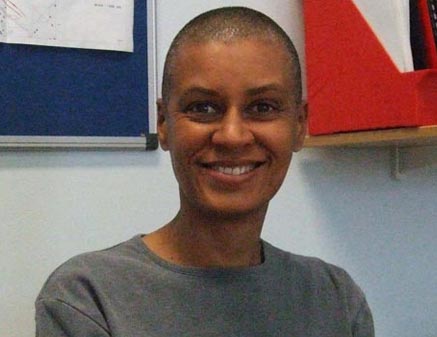
Martha was born in Nigeria in 1960. Her mother was English and her father Nigerian. In 1967 she fled to the UK to avoid conflict. She describes how she fled the country with her mother and 3 siblings, leaving her father behind.
Transcript:
In the late sixties there was a Biafran war, which I believe was the first war televised where you saw people actually starving. I remember the lead up to that. I can remember distinctly sitting on the floor and drawing the flag of Biafra, and colouring it in and feeling quite proud and stuff like that. Biafra would have been if it had survived been a state surrounded by Nigeria so it was very – it would have been incredibly vulnerable.
We knew people who’d died in that war.
When we left it was, for us children it was very sudden. It was um, it took about I don’t know, a month, six weeks for us to actually get out because the war had started so the easiest way to get out would have been to go to Lagos which was the capital and then fly out from there, but we couldn’t do that so we had to -we had to do a circuitous route. And so we woke up one day, which in my mind is a Sunday probably was not a Sunday but we kids woke up one day and mum had packed two suitcases for her and for us four kids, and said “We’re leaving, we’re going to England.” And when it was time to leave we found out, you know when we’d had breakfast, we found out that dad wasn’t coming with us.
and so we left dad and we left our dog, whose name was Bess, and we had a deer, which um, we’d rescued, we came in three landrovers, there was our family, and there was another family and a couple of single guys and we drove – I think the first place we drove to was on the coast and it’s called Port Harcourt and we stayed there for a month, grandpa was there, and we stayed with grandpa and Edith, and you could hear gunshot, you could hear gunshot in the distance.
First impressions of the UK
Many of the people we interviewed arrived in the UK as children or young adults. Having been brought up in the country of their birth this was often their first experience of visiting another country. These clips give some of their first impressions of the UK.
Martha was born in Nigeria in 1960 to a Nigerian father and English mother. She left Nigeria in 1967 fleeing war in the region with her sister and mother. She moved to Wiltshire where her grandmother lived.
Transcript:
…and then from there we went to London and I had bought with me two little dolls in a little basket like this, one had a pink check dress and one had a blue check dress and they had those bottles which look like they are full of milk and when you tip them the milk kind of disappears like magic, anyway I left those two dolls in the taxi and they were all I had, or they were the only thing I had from Nigeria.
I can’t remember what your question was, sorry
No, no that’s great, that’s really good
So how did you feel when you were coming over and what were your first impressions of England when you first arrived in London?
First impressions were, we came over in September erm September 6 I was 6 nearly 7 so it would have been September ’67 and I remember it being grey and cold and all I remember of my childhood from then on was being cold, cold grey rain that’s how I thought of it and people incredibly unfriendly and getting stared at and um just you know being treated as something other, don’t know other kind of thing. Because we weren’t odd, we were normal where we had grown up, do you know what I mean, and here we stuck out like a sore thumb. That’s what I remember.
One of our interviewees talks about the expectations of Jamaicans travelling to the UK and how shocked they were to find people here living in poverty.
Transcript:
Err a elder Jamaican person told me that when, you know when they were living, when they were, cuz they were born and bred in Jamaica, and when they was dealing with English people, they thought that all English people were rich people, because they were working for big land owners and so on and so on. When they came here and saw white people in poor impoverished they were shocked, because what they grew up with that they were all people giving them jobs err, you know, none of them was not poor people, so they found that quite shocking.
Donna was born in Barbados in 1960. Her parents left to work in the UK so she was brought up by her grandparents and moved to the UK in 1980 at the age of 20.
Transcript:
So I remember arriving on a sunny, but absolutely biting cold day. I didn’t know you could have cold like that, honestly, and erm, and I remember the stewardess, I came in on British Airways, and she said erm, “what a lovely day”, I remember, I remember as clear as day and I got to the step and you could see the sun coming in, but when that cold bit you, it it was, it was an incredible experience. The difference between Barbados and and England at that initial stage was that, it was so cold, hate going out, I hated the weight of the clothes my goodness! Uh, I used to think, how can someone walk around with this weight of clothes that, meaning, referring to the coats. I didn’t like it.
So when would you stay you started enjoying your time here?
I started enjoying my time here, when I had been here for about nine months. And erm, I got me a job, and with that job I met new people and people of my age group and erm, even though we worked very hard, we supported each other and that was lovely and and one of the other lovely things were that we we used to erm socialise together, the people who I worked with and I got to met, to meet, their friends and the the ee, and my world erm, started to expand and that was lovely.
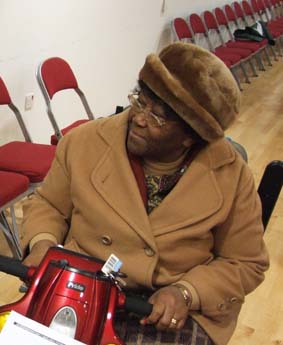
<p>Alice was born in Jamaica in 1937 she travelled to the UK when she was 24 years old.</p>
Transcript:
What were your first impressions of England when you came?
Oh my gums a me! Oh my gums a me! Oh dear, oh dear. I was very, very disappointed. My gums, cuz West Indian, we’re used to the sun, it’s a completely, erm culture shock, phew! It was so bleak and rain and, to me it was cold and then, I came here in June and then to me it was cold, especially in the evenings and nights you know. Cuz we’re used to warm, sun, warm. Our coldest, I mean very coldest day in Jamaica could be like your hottest. Ooh gosh, yes, so it was like a shock, you know, the weather and of course the houses. Kingston or the city, there were, the houses there were sort of nicely built and very pleasing to the eye, painted from outside different colours we used to colours and erm, yeah, but when we come here and look at the houses and these great big monstrosities of a red brick and ooh, I thought they were all factories and to make it worse there was these, these chimney pots up on the top. So I thought, Oh my gums there’s factories everywhere. And then I realised, I was, I was, you know after a while, I realised it was not factories but that’s the chimney to let the smoke out cuz then, most people would burn coal, it was, it’s not even like now, you’re thinking of fifty odd years when England. There was not a lot of central heating, not in everybody’s hou, everybody’s house you know umm, yes so err, it was a little bit of a culture shock. -I can imagine- Take some getting used to. Take a lot of adjustment, because then you have to learn to do things all over in a different way, dress different, you know, put warm clothes on. When you get up in Jamaica you just have your shower and you put your things on, just, just your normal dress and, you know, but now you have to learn when to wear a coat and when to wear a scarf and wrap up yourself properly and yes, it was actually, it was a little bit of a shock.
Jane was born in Guyana in South America in 1970 and was one of 9 children growing up with their mother in a small village.
Transcript:
What were your first impressions of England when you came?
The thing I couldn’t understand when I came to Wiltshire and I used to say good afternoon and morning and nobody answered me, I was like and I think is everybody dumb or is everybody deaf? you know because (laugh) in my country you couldn’t pass anybody without saying morning or good afternoon, cause you in trouble. So I came over with the same expectations and I used to be doing the same thing like hello and hi and nobody said anything to me until it took me a good while to understand that’s how people are and I really, really felt bad first thinking saying hi and nobody ever, thinking everybody deaf? Or everybody dumb? But then afterwards I get understand well that people don’t do mornings and don’t do good afternoons here. And apart from that I had some experiences I think um people were just naïve. I think where race is concerned for me is kind of easy for me to communicate with anybody, because in my country there are six different races; everybody live together.
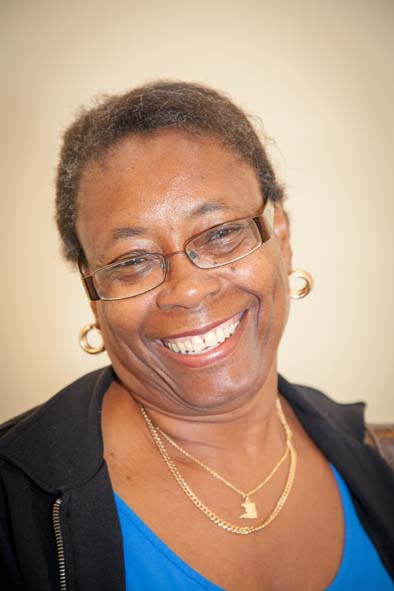
Grace was born in Trinidad in 1945, she came to the UK in 1957 aged 22 to train to become a nurse.
Transcript:
I expected everybody because . . .in the West Indies we were given this impression that everybody was blonde and blue-eyed and of course to come to see people with dark hair and brown eyes, and darker skins was a bit of a shock. I used to go around asking my colleagues; ‘um what – is she from, is she English?’ and they would say ‘Of course she is!’ You know, because I saw darker people here sometimes than even in the West Indies.
Originally from the Commonwealth of Dominica, John travelled over to England in 1958 to join the RAF and see the world. His career with the RAF spanned 13 years.
Transcript:
Whereas the majority of Dominicans…or Caribbeans tell you they arrived here there was snow on the ground and it was terribly cold you know and all that. I arrived here in April because my grandmother had warned me about that getting here while it was cold, so I arrived just before the buds were budding from the trees…and that was beautiful, arriving here then.
Experiences of work
Work was often the reason for our interviewees to travel to the UK. At a time of labour shortages in the post Second World War period, companies in the UK actively recruited in commonwealth countries for employees. Faced with lack of employment in their home country, thousands of people travelled to the UK in the hope of finding a job here. Some people moved to Trowbridge from other parts of the UK because work was available there. They often found employment easily but then faced discrimination and prejudice in the work place. Click on the clips below to hear about their experiences in the work place.
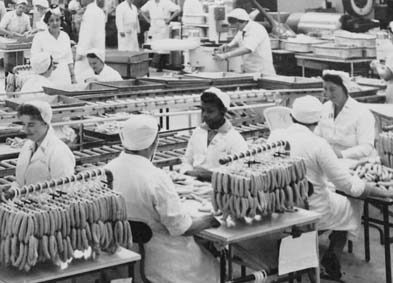
Emma describes her work in the sausage room at Bowyers and how much she enjoyed working there. This image shows Emma’s passport photo when she arrived in the UK.
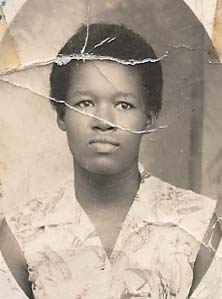
Transcript:
Can you tell me more about Bowyers?
Bowyers is lovely, I used to love it, I was a filler girl alright, there used to be juke box in there, records and things, you go up there have a cup of tea and music, so they say do the work, and it’s piece work and you don’t get much money but, I don’t know how much money we get, like couple.. errr… But thing like, the cost of living was much cheaper, so you wasn’t to worry about, and you could go up there and get a free cup of tea and a bacon roll and listen to music and go back down to . . it wasn’t like work, it was like fun!
And what sort of music, can you remember what music did they play?
You, you could choose is, the juke box is there, them days it was like Nat King Cole or Fats Domino or whatever, you know? It was sixties, just music, what we like. And then, I work there for a while.
Just before we move on, you said you were a filler girl, can you tell me what you did?
It, it, was, sor, it was sausages. There’s sort of a man who ground the meat with all the spice and you were had a sort of barrel thing, a barrel on wheels. You used to push it to him and he’d put the meat in, and you put in in this, in this machine and you have the machine, with, with errr, what you call it skin, which is all like animal intestine. And you put it in an’ fill it and then somebody was there to twist the sausages. You, you, you got like six girls who you supply with the sausages, they twist your sausages, and it was like piece work, the more you can do is the more, you, you get. We get four breaks a day, we go up to the canteen and listen music and have cup of tea and, just like that.
And what were the other people like, who you worked with?
They were good, because most of them were, a few white people, but we are working class so colours don’t come into it, you get to know each other and become friends, for life maybe. So I see them now, there older and I see them now.
You still see them?
Yes, some of them yeah! Some of them people, is for life!
Sam was born in Jamaica in 1935 and came to live in the UK in 1960. He started working at Bowyers in 1966 in the killing department but found the cold in the room didn’t suit him. He was moved to a job in the baking room where large ovens were used to bake pies and the atmosphere was hot. He continued to work at Bowyers for 34 years until his retirement.
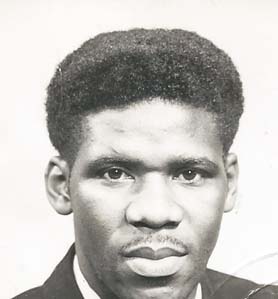
Transcript:
And the pie department and the ovens is nice and hot and that is just right for me because up in the killing department it is cold, and that was lovely for me.
And I worked there for about, maybe five years or more and the job that I were doing, is only the the manual jobs and you got a group of men who operates the oven, do the baking, a group of white men, who do the oven, and they, believe that nobody else can do that job.
So after maybe five years or more I ask that if I could learn to do the oven, to operate the oven, that it was difficult, because those days you had to use the gas tap, you got to turn it on and you got a poker to light the vent, you had, the oven was massive long, you had twenty eight burners on each side of the oven and you got to know which one to light, which one to turn up and so on…
And they said the the management, the manager and the supervisor he said no you can’t do it ’cause its hard, I said I want to try and do how I know.
And after months and months they decided to shut me up, and I giving, I’m telling you the truth, they want to shut me up.
And they said alright they were going to put me on there for a week and if I pass then, and they want, I was then sixty two that week, they said they’d put me on the oven with some sort of trainer to operate the oven and after the week, oh maybe two weeks, maybe two weeks, after that now I gotta do it on me own and I pass that test with flying colours, so to speak. I done it and they were surprised, they were really surprised they hadn’t even though I, there were other black men there, before me, older men and they wouldn’t get a chance to do it, all they do is do the hard bits and I done that.
And after, after well let’s see, after another three years later after I done it and I do it timely when my turn come to operate the oven, you know? And the manager, one of these head manager, call me in the office and I don’t, he never even know my own name or whatever and he said son I want you to train the people to operate the oven!
Those days we used to have a lot of students, umm they call them temps these days right? and I said, I said to him, I can’t train them, the people them, I can’t train the white people because they won’t listen to me! And he said you will do it and if any problem come and see me. That manager was a South African manager, you know? And I do that, I do it for six years, training people to do it.
Sam was born in Jamaica and came to live in the UK in 1960. He recalls his first job working at a chicken processing factory where he soon discovered that his pay was a lower scale than the white men doing the same job. This image taken from his passport show Sam as a young man in 1960 when he first arrived in the UK.
Transcript:
I remember I work at umm, the chicken factory once, you know, and one incident that I have there, and that open my eyes, urr, I were working with a English man when, I young just come here then you know, that, and we were doing, a lot, o, early morning work both of us were doing the same work, very hard, very strenuous, and when we get the pay, we used to get pay fortnightly, when we get the pay packet he look at his and he look at mine and he said to me that’s not right, you know? and the the supervisor or the foreman, come up come along while we were looking at it and he said to him errr… John be like the monkey, see nothing, hear nothing, know nothing, and such words you know. And then, I didn’t know what he meant then, you know?
So I said to the chap, what he meant by that? Say like he must keep his mouth shut. You know? so that mean they underpay me, though we do the same work they didn’t, they pay him so much more than they pay me, you know? And I learn from that, I didn’t make a complain, you know, because making complain who you going to make it to. You know?
Ray was born in Jamaica in 1932 and came to live in the UK in 1956. He remembers that he and the other Jamaican workers were paid on a lower rate than white men doing the same work. The union supported the black men in getting equal pay for their labour.
Transcript:
now when we came here, they did want us as, um, well… Caribbean workers always should be lower than the English. And the union was the one that stand up for us and said well they must get the same pay as do the English.
That’s quite good then.
Hmmm
That someone was there to stand up for you.
The, the union was the, y’know, stand up for us really.
Scotch was born in Jamaica and came to live in the UK in 1965 at the age of 16. He went straight into work at one of Trowbridge’s woollen mills, but only stayed for a day. He describes lots of different jobs he has done and how easy it was to find work.
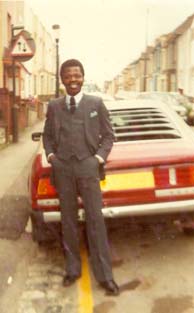
Transcript:
I came here at the age of sixteen. And um I never get any school here, because I came at sixteen over school age. So um I went straight into work. They didn’t understand how they work you know here because in Jamaica we used to um work for the farmers like carrying cane on donkey and when you have your break, you could lay on the grass and sleep, right. So my first job when I came here I work in a place called McColls, they made clothes like you know cotton and all that. So um when I get back, when I had my break, I went up on a stairs where they had some nice cotton and I was up there sleeping for about three hours. The manager could not find me nowhere, eventually they found my foot hang over and woke me up and said to me oh um “you have finished now you can go home”, so I thought he meant that I had finished work, (laughing) so when I got to work the following day he said to me “Sorry you have been sacked”. (Laughing)
When I told my father, he said “What have you done?” I said “Well I had my break and I went for a sleep, so I thought you were supposed to sleep”. I didn’t know no different I didn’t have any training, so um he sacked me. My father went round there and said he said sorry he is sacked for doing no working for the sleeping. So well, came back home from the job. I think those days you get work anywhere, no matter where you go to you could get a job, so within a week or a few days I have another job. Um this one was making metal like you’d prepare the moulds, and they would pour the metal into the moulds and you could make a iron or whatever you want to make. I spent a few years doing that and from then I left and went to a place called Ross Chicken, where they do chicken and from there again I changed to Bowyers. I spent a few years in Bowyers, from Bowyers, I get myself in a bit of problem with trouble with Some what? some trouble with the English people. and um I was away for a while and I came back out and then I work for a place in Frome called Venture Carpets from Venture Carpets I came to Trowbridge. A place called Newman Enders and from there I went to Avon for a very long time. But um it was very easy to get work in those days
Reactions and Racism
People coming to live in the UK met with many different reactions from other people, some were racist, some were ignorant, some people name-called others made physical attacks. The interviewees responded to these situations in different ways, some ignored name-calling others found it very hurtful. Click on the clips below to hear some of the experiences that the interviewees have described.
Please note that some contain offensive language and subject matter that is not suitable for young children
Kulchalee was born in the UK in 1959 a year after his Jamaican parents had arrived in the country. He describes what it was like growing up as a black child and how much he wanted to fit in with the other kids at his school.
Transcript:
There was good times, but a lot of daunting times, but I look at it and at least it was straight, straight in your face, you know because racism was rife, no matter you know I just a I was trying just to be a white kid in um black skin, just an innocent kid playing football, you know, doing the things what boys do, you know, but unfortunately the skin colour was like a problem, cause you’re always in fights, people are calling you names and all that type of stuff, you know. If I’m playing football they say ‘yep Kulcha’s got the ball look there’s a dark cloud coming over’ so there’s all that type of you know, banter, they could call it banter, but for me it was hurtful, yeah? And there was times when you have to go through racism you know a good portion of your life yeah. I remember all I wanted it to be was a white kid in black skin, and because I was forced, not to be this white kid, then I end up pushed to the other side of learning about the blackness, the culture you know, because you know. When you went through things and most of my friends were white, most of my friends were English guys, so therefore and you know you didn’t kind of fit in, because you were always at the centre of jokes, joke making and mickey taking and all that stuff, so there was times when you, your emotions were so high that you used to go home and cry your eyes out bend upon your knees and say oh god why did you make me black, why didn’t you make me white? cause everything white is alright but everything black have to stay back. So that was the kind of er you know erm tarnished feeling I had as a kid growing up and butterflies all the time you know even up to the age of probably about 18, 19, 20.
Sylvia came to the UK in 1961. She lived and worked in Trowbridge and in this clip describes some of the experiences she had of name calling at work. She also mentions that other women had people spit on their babies.
Transcript:
And when I came here and I didn’t because I heard about people having trouble with English people and I decided I ain’t having no trouble and I have never had any trouble the whole time I came here.
Wonderful
I know, eh. I never have any trouble with anybody. No trouble with being called names and things like that as those things don’t worry me. If I go up the street and somebody shout out some names or something like that I just keep on going cuz I just take no notice. They have the problem they shall. Cuz I has … no problem.
Were you, before you came to England did you know that some people could be hostile to black people?
Oh yeah I heard about it. All the time cuz they are all teddy boys innit so for.
What did you hear about?
I hear that they would you know, attack black peoples and everywhere they used to do that. They used to attack black people when I came here first people had, I never experience it, but I heard people would be pushing their babies; black people would be pushing their babies all in a pram and some white peoples would come up and dey spit … on the baby yeah and they would do all sort. I saw it was going on. I never experienced any of it.
But how did that make you feel when you heard all this?
It make me feel … terrible. It never happened to me so I sympathise with the peoples that it happened to. Nothing like that. Nothing happen to me. Nothing like that. When we were at Bowyers we calls each other names we call each other names, like fun. You know just for fun you know. Nothing just laugh and joke overs it. Yeah nobody was hostile to the other people. You know saying something funny.
And was that, sort of, what kind of names did you call each other?
They used to call me Blackie they call me all sort! But we just laugh, huh, you know. Why? We tell a joke!
And did you call the white people names?
Oh yes, we call them Whitey or something or other… yeah but you know just jokes, we still friends with each other
David came to the UK in 1956 to find work in response to advertisements for people to leave Jamaica and fill jobs in the UK. His first problem on arrival was finding somewhere to stay and he was keen to move to better accomodation as he was sharing one room with 5 other men. However his search for rooms in Trowbridge was not successful.
Transcript:
living condition was very bad. when I came here I remember that the, come off the train out in Bradford station, and I have to go to number three poultney lane, that is in Bradford-on-Avon, and that’s where my mate used to be. And when I came there at about, oh, 8 o’clock at night, he wasn’t there! He moved to Bath! And er, when I knock the door and this English lady open the door and see me, she said I won’t have no more of you lot in here. So I said oh my god, what’s going on? so while I were talking to her, there was about 3 or 4 of my mate that lives there, and one of them know me from home. And he said to me who is that, is that David? Because he called me David. I said yes. And he turned to the landlord and he said, if you don’t take him in tonight, all of us going.
So it was a bit, really difficult and it that room where we used to live there was 6 of us living in there, so it was really, really bad.
Oh. and I come out to Trowbridge, I didn’t know where I were going and I ask question, and they tell me where to find it. And when I went to the door and knock the door, the lady just open the door so slam the door in my face. Slam the door in my face. Because I mean, it’s not like now people coming and they finding living place to live now? We didn’t have that opportunity, y’know?
mmm
and that ‘s why, I think that’s why is that they have problem now, because when we are the first, not the first lot um, Jamaican that come here to this country, you have some before us y’know, before, and when they come they couldn’t get nowhere to live. So if I can afford to buy a house, they I would invite my fellow Jamaican to come and live with me. And from then, you’ll find that the house get overcrowded. And then once that house get overcrowded, the English that used to live beside us, they move away. And that whole street would become…
Jamaican, y’know…
You see? So it was very very difficult living condition. it was so bad that I, me and a friend we bought a whole house
So it was a bit, really difficult
Martha was born in Nigeria and fled to the UK to avoid a conflict in Africa. She describes how people wanted to pet her and her sisters and touch their hair. They also experienced a lot of name-calling and she describes in detail an incident when someone swore at her in the street using very offensive language.
Transcript:
when we came over here we were this oddity, um I guess if we’d have lived in a major city we would have been less of a less um – conspicuous – but we didn’t we lived in Trowbridge and then we lived in Corsham and um we were petted in a sort of way – do you know what I mean? We were cute little kids and we used to – people wanted to touch us and touch our hair and – when we moved to Corsham there was two sisters who were mixed race and there was a family who were black and there were was us. And that was it and um that was it. And we yeah, we did have prejudice and mum from some people mum used to say just ignore it just ignore it and we did ignore it until we got into our teens and we got bolshie so um I’d say the youngest of us three fought back verbally, um and my eldest sister’s a bit more adult than that. She, yeah but of course we experienced prejudice, we get called ‘wog’, ‘n*gger’ , ‘blackie’, get told we smell, had stones thrown at us in the playground. I’m not saying that it was an everyday occurrence cause it wasn’t and that was only from some people, but when I was er – um- yeah, when I was at drama school and I came back. I think I was about- I was about 23, and I came back for a couple of weeks, we were just going shopping in Corsham and some blokey yelled across ‘Oi! N*gger!’ Which completely took us by surprise, so we swore at him and we stood up to him in his face, and he was still mouthing off and we went in the shop and we brought lots of things with tins in and um he did it again and if he’d ‘ve come up to us we would have, beaten him. We would have fought him.
Tom was born in Jamaica and moved to the UK in search of adventure. He joined the army so that he could travel further and see more of the world, but wherever he was posted he met with the same reaction.
Transcript:
Now…wherever, in those days, wherever they got posted, the first thing that would happen you’d go to the camp, hand your papers in and whoever was sitting on the other side of that desk would say: “Ahhhhhhhhhh, a West Indian, cricket!”…And I would say:
“I do not play cricket.”…and they couldn’t understand that. You know they would continue the story-ah…
“You know I saw Sobers batting at such-and-such-a-place and eh-I you guys can really play cricket, what are you? A bowler?”,
“I do not play cricket. As you can hear, I do not shout. I do not play cricket.”,
“And you know, we played panang last week…” and this that and the other…
“What are you? You know, a batsman or a bowler?”,
“I do not play cricket.”,
“You really don’t play cricket?”
So that was it, that was me, ignored, for the next three months, just doing my job. But that happened everywhere I went.
Scotch came to the UK from Jamaica in 1965 at the age of 16. He talks about the violent attacks that some black people suffered including his brother and the dangers of going out on your own or unarmed.
Transcript:
Also you said when you um came to England some people weren’t very nice to you.
Mostly English people. Because you know call me names and now things eh just get on with it really. I suppose for them if you are a black man in your country its different, but for me it wasn’t that much because in Jamaica we used to see alot of them and whenever my father well his father, all the men said to me that we recommend that we will see alot more of them but I thought that um coming here to work because they’re the ones who opened England for us to come to work, I thought it would be friendly and a good environment and everything but it wasn’t like that we had a lot of problems because in those days there what you call Teddy boys and ‘ells Angels they used to walk with bicycle chain, knuckle duster and knife and things like that, ready to fight the blacks and we have to prepare ourselves to protect ourselves otherwise we wouldn’t be here. My brother almost got killed in Trowbridge where four white blokes beat him up badly and um we had to walk in groups to protect ourselves. Before we even came here for the black man couldn’t go out at night if you wanted to have fun you have to have it in your own home. The more black men that came over and walk in a group and things began to change a bit because we arm ourselves to protect ourselves and eventually things got better we used to what ever you could find a knife had to carry it around and then by doing so things began to change a little bit we could go to a pub. First a black man could not go in a pub by himself he could never do that he would be dead in there, so if you go in a pub you have to go in with a group of blacks, ten, fifteen, five whatever and you have to prepare if anything break out you have a weapon to defend yourself. But eventually things go on a bit of a change, but it wasn’t easy in those days you had to prepare to kill or be killed. and you find that even if you had a fight or a problem and the police arrived they wouldn’t be on your side, you know even if you called them they wouldn’t be on your side they would be on the white man’s side and that would make you get even angry. But eventually it seemed to calm down a bit, now you can go into a pub by youself, you can go into the cinema by yourself, you can go anywhere by yourself now, so it has changed a bit, but it was rough in those days, really really bad. Yeah and um, I’m glad that my children don’t have to go through that now.
Identity
If you were born and brought up in one country and then moved to live in another which place do you think of as home? How do you describe your identity? If your parents were from different countries that is often described as having dual heritage, but how do you describe your identity? Click on the clips below to find out what our interviewees think
Education
Contact us
Wiltshire and Swindon History Centre
Cocklebury Road
Chippenham
SN15 3QN
E: wshceducation@wiltshire.gov.uk
T: 01249 705500


